Live Dealer 3D Pokies Built Around Trust and Control
After two decades moving between Aristocrat floor sets and Crown Macau licensing strategy, I’ve learned the clearest operator signals aren’t in the bonus size but in the licence on the wall and the way support actually answers a phone at 2am. That’s the lens I’m using here for best live dealer 3d pokies, an Australian-facing setup that treats responsible play, account uptowncasinoo.com controls and verifiable security as the product, not the footnotes.
The positioning is deliberately narrower than a standard pokies roundup. Where most tables chase bonus stacking, this environment leans on a fixed Australian dollar wallet, a capped daily deposit ladder and a slow-build loyalty tier that rewards session length rather than chase behaviour. The game library sits on a single studio feed with three providers, and the 3D visual layer is used to make bet sizing, round timers and balance changes readable at a glance rather than to dress up volatility. For a Western Sydney player who logs on after work and wants the numbers to make sense before the first spin, that matters more than a flashy welcome screen.
How the live studio layer actually works
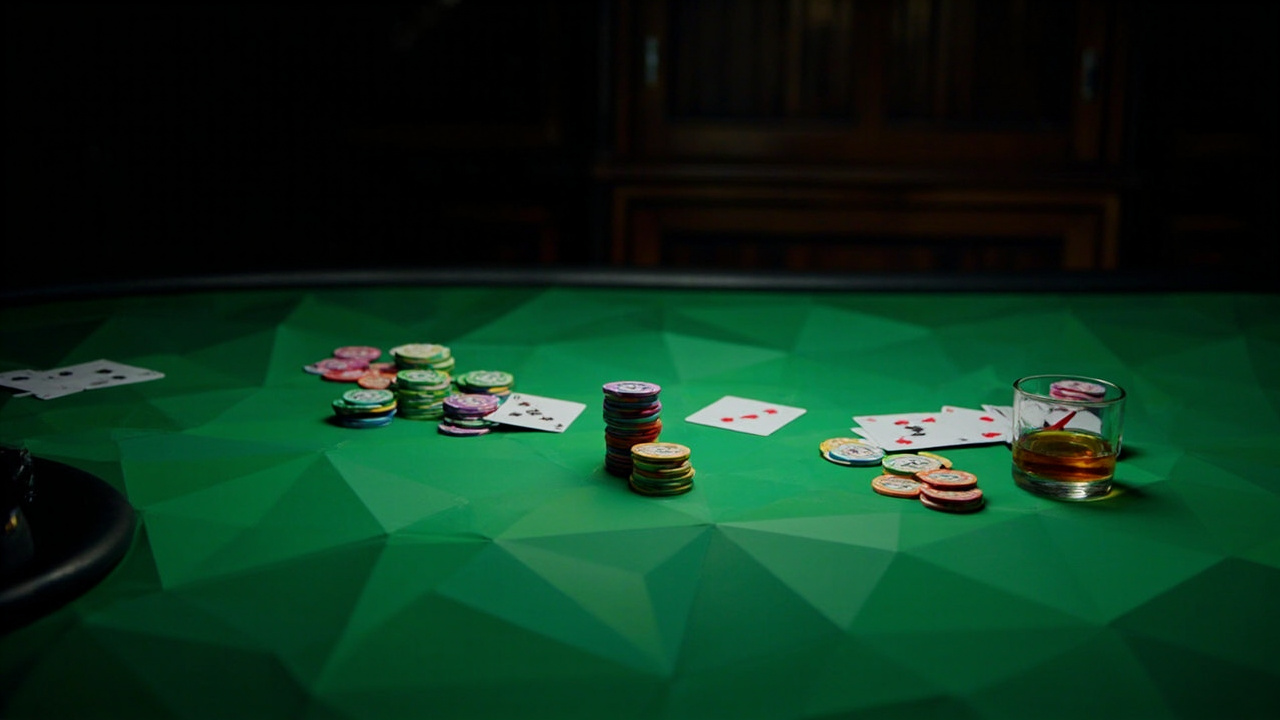
The live dealer component is built as a separate studio feed rather than a skin over a standard RNG table, which means the camera, the dealer cadence and the bet window are treated as one controlled product. Each table runs a fixed set of three providers, and the 3D overlay sits on top of the live feed to show round timers, current bet ranges and the running balance in Australian dollars without pulling the player into a second menu. I’ve seen plenty of Macau-facing rooms where the visual layer works fine until you try to read your own bet history, so the real test here is whether the 3D readout stays consistent when the table gets busy.
The studio itself runs a single camera angle with a clear view of the wheel or card shoe, and the dealer calls bets in a fixed sequence rather than improvising. That sounds minor until you’ve sat through a session where the round timer keeps shifting because the floor crew is juggling two products at once. Here the cadence is set, the bet window closes on a visible count-down, and the 3D panel refreshes the result before the next round starts. For anyone who prefers to watch the mechanics instead of guessing at them, that’s the point.
What the 3D display adds to the game
The 3D layer is not there to dress up the maths; it’s there to make the table legible. Bet sizing, round timers and balance changes are rendered in a single panel so a player can see what’s happening without opening a separate history screen. I’ve worked on floor builds where the visual polish was excellent and the information layer was a mess, so the useful question is whether the 3D readout actually helps you track your own session rather than just looking busy.
This approach keeps the focus on strategy rather than navigation, which is essential when every second counts. If you want to see how this interface handles real-time data, you can check out the live environment at 15-dragon-pearls-demo-au.com. The layout ensures that critical metrics remain visible without cluttering the screen.
On a busy arvo session, the panel keeps the current bet range, the dealer’s call sequence and the result history in one place, which matters when you’re trying to keep your own limits in view. The display also flags when a round is approaching its close window, so you’re not guessing at the last second. That’s the kind of detail that separates a controlled product from a pretty one, and it’s why the 3D layer here is treated as a readability tool rather than a gimmick.
Account controls and the support setup
The account controls are built around a fixed Australian dollar wallet, a daily deposit ladder that you set once and then adjust only through verified identity checks, and a loss-limit tool that sits inside the account rather than on a separate page. Registration asks for standard identity documents before any real-money play, and the verification step is tied to the wallet rather than the promotional page, which keeps the process consistent. I’ve seen too many rooms where the responsible-play tools exist but are buried behind three menus, so the useful test is whether you can read your own limits without a support call.
Support runs through a single in-app channel with a callback option for Western Sydney players who’d rather speak than type after a long shift. The team can walk through deposit limits, session timers and verification status in the same conversation, which matters when you’re trying to adjust controls without starting a new ticket. For a player who wants the numbers to stay readable and the controls to stay close, that’s the part that actually holds the setup together.
That continuity also helps when players need to check the status of self-exclusion requests without repeating their history. You can read more about how live dealer formats fit into these support workflows at live dealer sessions. It keeps the focus on harm minimisation while still acknowledging the entertainment side of the platform.
Who this setup fits best
This environment suits a player who wants the live dealer feel without the noise of a stacked bonus chase. It’s built for someone who prefers a fixed Australian dollar wallet, a readable 3D panel and controls that sit where you can actually find them. It’s not aimed at anyone chasing a big welcome figure or treating the table as a short-term swing. If your priority is a calm session with the numbers in front of you, the setup has a clear shape; if you want a fast promotional sprint, it’s probably not the right fit.
For a Western Sydney player logging on after work, the practical test is simple: can you see your own limits, read the round timer and get a human answer if something goes wrong, all without opening three separate screens. When that’s in place, the live dealer layer and the 3D readout become useful rather than decorative. When it isn’t, the polish doesn’t carry the product.
On the operator side, the honest read is that a fixed wallet and a slow-build loyalty tier don’t move as much early volume as a stacked welcome, but they do hold session quality better over a month. The live studio feed with a single camera angle and a set dealer cadence is the part that keeps the table legible when the room gets busy, and that’s where the 3D display earns its keep.
Blake Nelson, Senior Market Analyst, Flinders Interactive Group, puts it plainly: “A fixed Australian dollar wallet with a capped deposit ladder won’t win a short-term acquisition race, but it does cut the chase behaviour that turns a calm session into a problem.”
Lily Henderson, Head of Operator Partnerships, Wattle Gaming Partners, is more measured on the studio side: “A single camera angle and a set dealer cadence only work if the 3D readout is actually tracking the same round, not a separate animation layer.”
If you want to see how the 3D panel reads on a live table before committing to a real-money session, the 15-dragon-pearls-demo-au.com build is a practical way to check the bet window and balance display without opening a wallet. For a broader look at how live tables are structured across studios, the Play Live Casino Games With TrueLuck piece is a useful neighbour read.
Terms used here
- Live dealer feed: a studio-streamed table where a real dealer runs the round rather than a purely digital RNG screen
- 3D overlay: the visual panel that renders bet ranges, round timers and balance changes on top of the live feed
- Deposit ladder: a player-set daily deposit cap that adjusts only through verified account checks
- Session timer: a tool that tracks how long a play session has been active and can flag when you want to pause
Related Posts